Deep dive into digital lifeworlds
The digital transformation has rapidly changed practically all areas of life. It has revolutionised not only products, services, and communication channels, but also people's attitudes and logics of action. And we are still in the midst of it ...
In 2012, SINUS conducted the first social scientific baseline study on digital lifeworlds. The study did not focus on the basic “who – where – how often” questions of internet use and online behaviour, but rather on which motives, concerns, desires, and requirements are relevant to internet users and non-users – in short, on how people “tick” regarding digitalisation in everyday life.
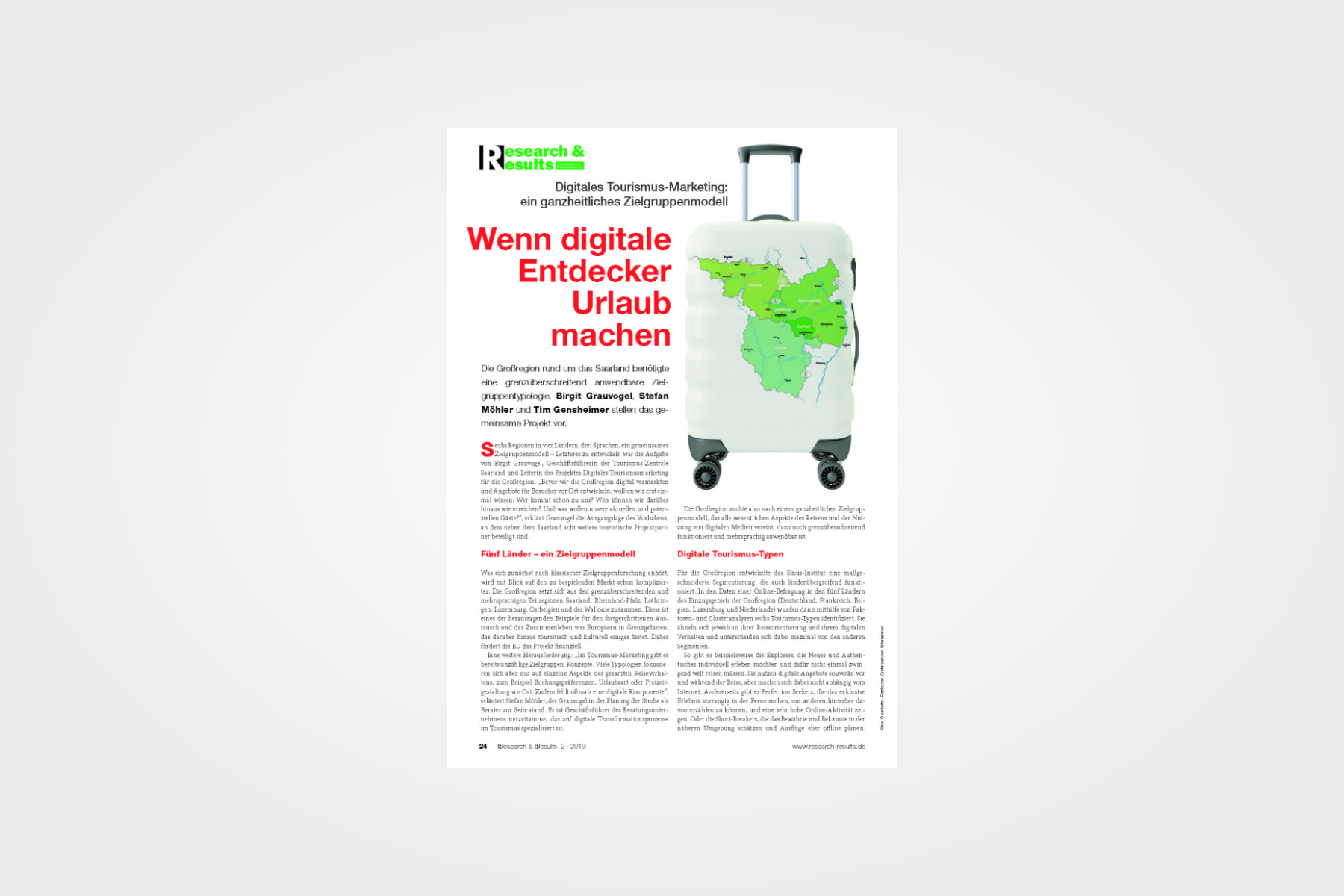
Since then, we have undertaken numerous deep dives into people’s digital lifeworlds. We have identified groups with distinct attitudes and behaviours: for instance, so-called “Net Enthusiasts” and “Efficiency-Oriented Multi-Screeners”. Working with such a target group model helps public and private clients to better understand and address online lifeworlds.
New possibilities through artificial intelligence
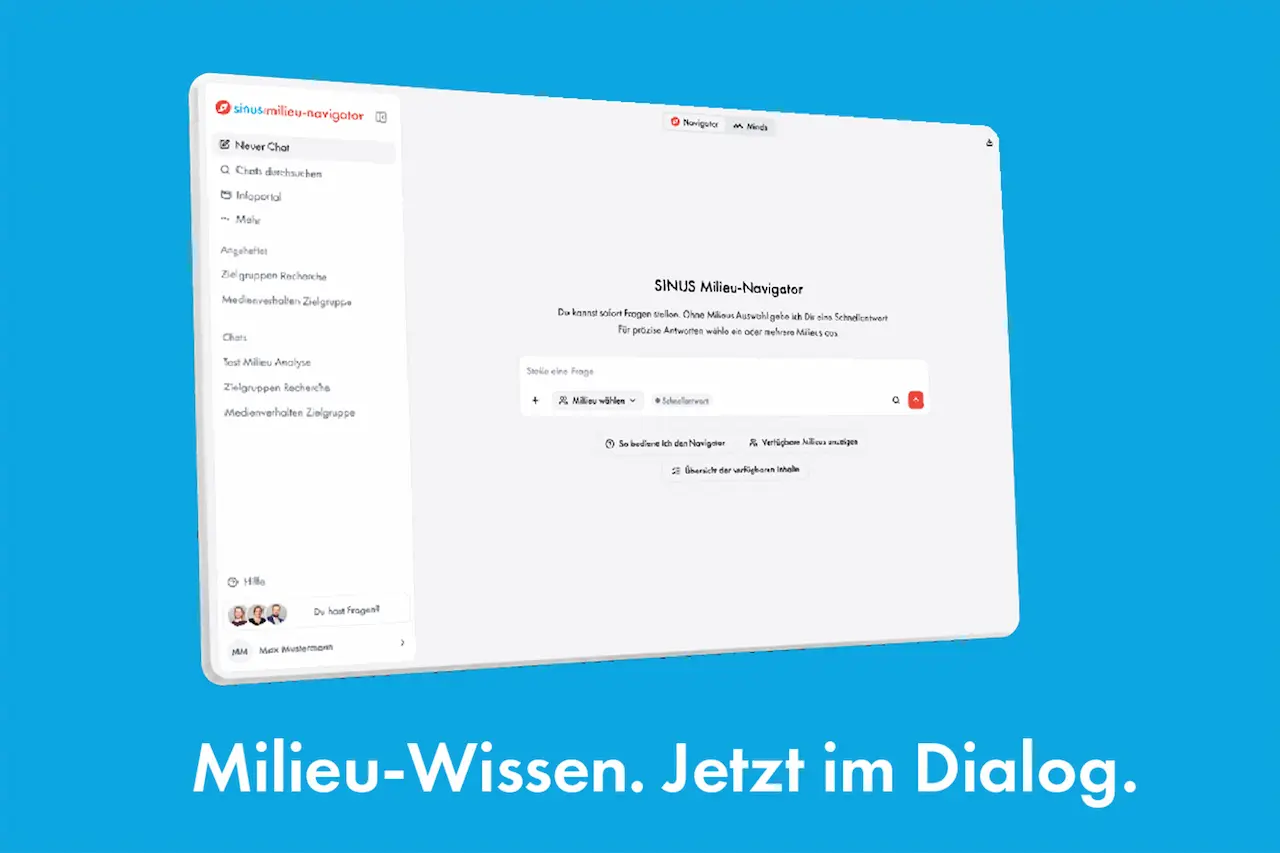
Artificial intelligence opens up a wide range of potential – provided it is used responsibly and under professional supervision. SINUS uses AI specifically for automation and efficiency gains, for example in encoding or data preparation. The decisive factor for us is always that AI provides suggestions and generates new perspectives – the final evaluation, interpretation and approval is always carried out through the human intelligence and expertise of our team.
Understanding what digitalisation does to society
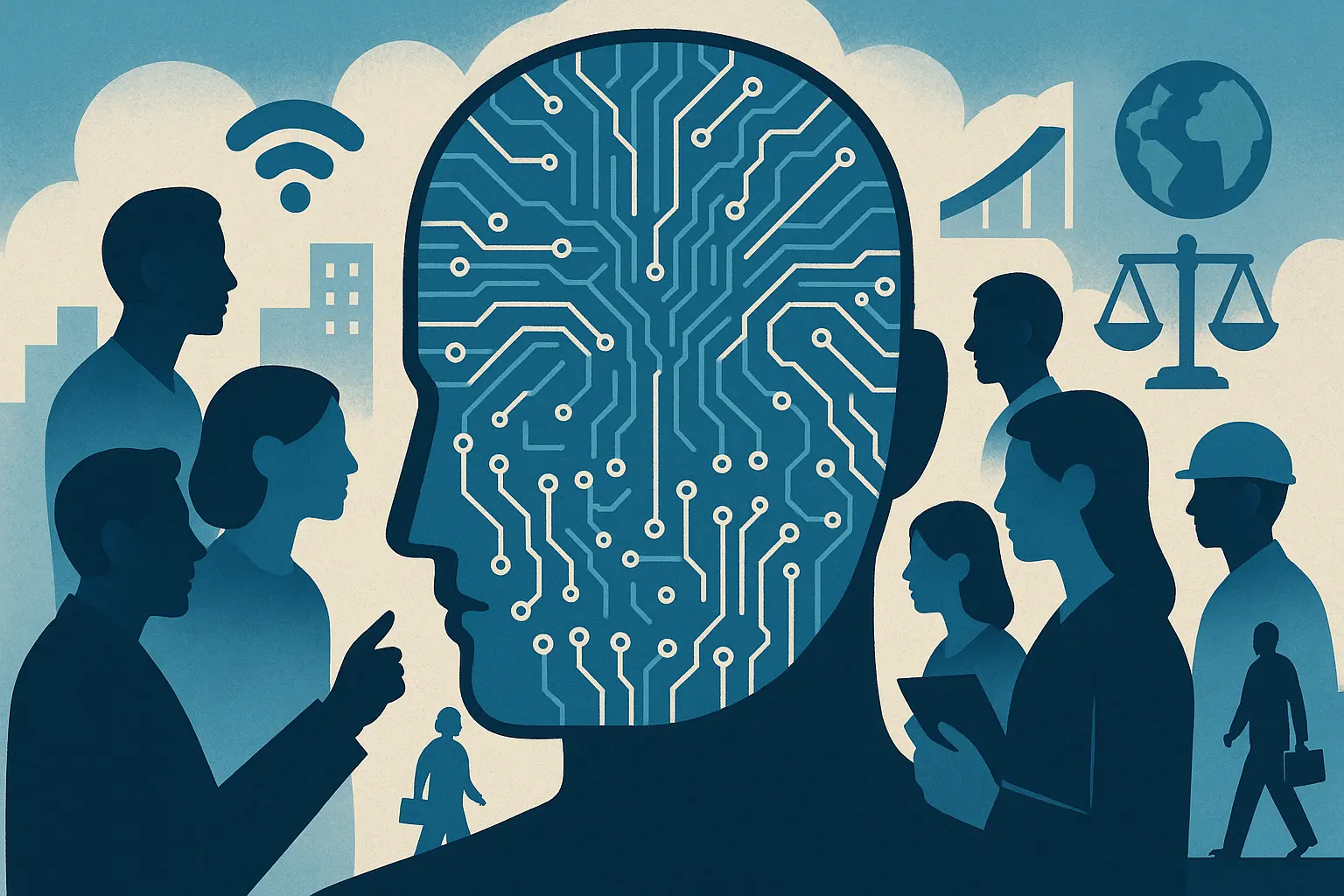
As part of our lifestyle research, we go beyond the mere use of digital applications to analyse what these diverse possibilities do to our society. The fault lines run right through the German population, between euphoria and scepticism. The decisive factors here are not so much age, income or education, but above all values and lifestyles – as we describe them in the Sinus-Milieus.
Our expertise in digital readiness